


Waymo
4.94.16K Reviews
App Specs
- Version
- 26070603.948519159-release
- Updated On
- License
- Free
- Downloads
- 1,000,000+
- Developer
- Waymo LLC
- Categories
- Maps & Navigation
- Platform
- Android, iOS
Screenshots
 Analysis by AppCompare
I’d start with one practical question before downloading Waymo: does it serve the places you actually travel between? This is a Maps & Navigation app from Waymo LLC, but its purpose is narrower than a general map or directions tool. It is for arranging a ride in an autonomous vehicle, so usefulness depends less on how many routes a map can show and more on whether a ride can be booked for your trip.
That distinction shapes my recommendation. If you want to experience driverless transport or need a ride for a suitable local journey, it may be an appealing option. If you need turn-by-turn directions, public-transit planning, or a dependable choice for travel anywhere, a conventional navigation app or another transport service is the more sensible starting point. I’d check that the app supports both the pickup and destination before building a day around it.
Decide by the trip, not the novelty
Waymo is free to download and rated for Everyone, and its average rating is 4.9 from around 39,000 ratings. Those figures suggest strong user satisfaction, but they do not answer the question that matters most to an individual rider: can the service take you where you need to go at the time you need it? I would treat the rating as a useful signal, not a substitute for checking the app’s practical fit.
The app has been available since April 20, 2021, and its current version is 25112407-843245214, with Android 8.0 as the minimum operating-system requirement. It has over one million installs. That gives a prospective user a sense of its reach and compatibility, but it does not mean every city or neighborhood is covered. Before relying on it for a time-sensitive appointment, open the app and test the actual route rather than assuming service is available from a nearby address.
Where a driverless ride can be useful
The clearest advantage is the ride itself. Once a suitable trip is available, requesting an autonomous vehicle can make a routine urban journey feel different from a standard car ride. I can see the appeal for a person who is curious about self-driving technology, or for someone who would rather sit quietly and focus on a podcast or a few pages of reading than take the wheel.
It can also suit a familiar, uncomplicated trip where you have enough flexibility to try a newer kind of transport. Think of heading to a regular appointment or meeting a friend, with time to confirm the pickup and destination in advance. That is a better first outing than using any unfamiliar ride option when you are already running late. A calm trial lets you learn the pickup routine and how the ride feels without turning small uncertainties into a stressful part of the day.
When another option is the better call
For navigation alone, standard map apps remain the more direct tool: they are built to help you plan a route, compare ways to travel, or guide you while driving or walking. For a ride where you want a human driver, a conventional ride-hailing service may feel more familiar. Public transport can be a better fit when you need a route organized around buses or trains. These are different categories of alternatives, so the right choice depends on the task rather than on a simple winner-versus-loser comparison.
Worth Reading Before You Choose

EA SPORTS FC Mobile 26 Is a Bigger Football Game, but It Takes Time

Flipboard Shows What News Apps Must Do Beyond the Feed

Switching to Android Auto Means Rethinking Your Driving Routine

Google Calendar Makes a Crowded Week Easier to Manage

Ludo King Makes the Most of the Minutes Between Plans

Baby Panda World Brings Quick Play to Modern Phones, but Its Game Library Feels Busy
I would not make Waymo my only plan for an unfamiliar journey or a tight connection. Any service that depends on a bookable vehicle can involve practical details such as finding the pickup point and allowing time to get there. Check the proposed trip before you commit, and keep another option in mind if arriving promptly matters more than trying an autonomous ride. That is not a criticism unique to this app; it is sensible planning whenever a new transport choice is involved.
Getting comfortable before the first booking
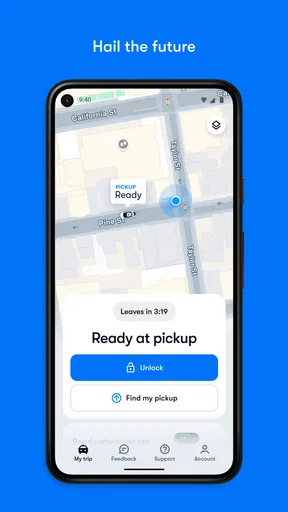
One useful habit is to consider the whole door-to-door trip, not just the route shown in the app. A pickup point that looks close on a screen may still require a walk or a little extra time to reach. I’d check where the ride begins, make sure the destination is correct, and avoid leaving the booking until the last moment. These small checks are especially helpful when you are meeting someone or traveling with a schedule.
For a first ride, I’d choose a destination I know and a time when I can pay attention to the process. That makes it easier to understand how the app communicates progress and what the pickup feels like, without also having to navigate an unfamiliar place. Once you know what to expect, you can make a more informed decision about whether it suits regular errands or occasional trips.
People may also wonder whether this replaces a navigation app or whether it is just for curious visitors. I see it as a ride-booking choice, not a replacement for general maps. It may be worthwhile for a local resident who can use its service for relevant trips as well as for someone who wants to try autonomous transport, but a visitor should first check whether their intended pickup and destination are served. If the answer is no, the app cannot solve that journey, however interesting the technology may be.
There is a small but important trade-off in choosing a driverless ride: the experience asks you to trust a system that may feel unfamiliar at first. Someone who strongly prefers the reassurance of a human behind the wheel may simply enjoy a conventional ride more. I would not dismiss that preference. Comfort is part of whether a transport service works for you, and curiosity should not be the only reason to choose a ride for an important trip.
On Android, the minimum requirement is version 8.0, so checking the operating system can prevent a wasted download attempt on an older device. The app is free to install, but that alone should not be confused with the cost of taking a ride. I would review the booking details in the app before confirming and decide whether the trip makes sense for my budget and schedule. That is a useful distinction for anyone comparing it with transit, walking, or other ride options.
Getting Started: A Smooth Ride
Downloading and setting up the app was as easy as pie. Just hop onto the Google Play Store or the App Store, search for Waymo, and you're good to go. The interface is sleek and intuitive, welcoming you with a minimalistic design that screams "I'm futuristic and I know it." Registering takes just a couple of minutes, and before you know it, you're all set to book your first ride.
The Experience: Riding in Style
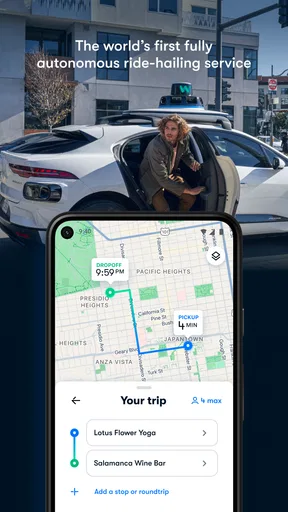
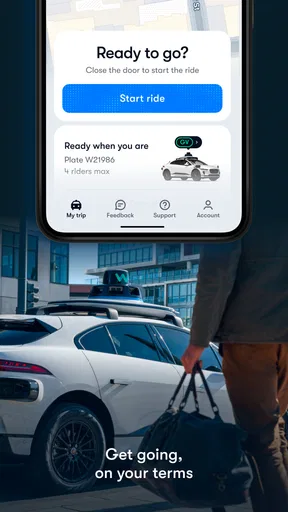
Now, here’s the fun part. Booking a ride is straightforward—just enter your destination and let the app work its magic. Watching the autonomous vehicle roll up without a driver is a surreal experience, and let’s be honest, it feels like stepping into a chapter of tomorrow. The rides are smooth, quiet, and surprisingly comfortable. You can sit back, relax, and maybe even catch up on some reading or your favorite podcast.
Safety First: Peace of Mind
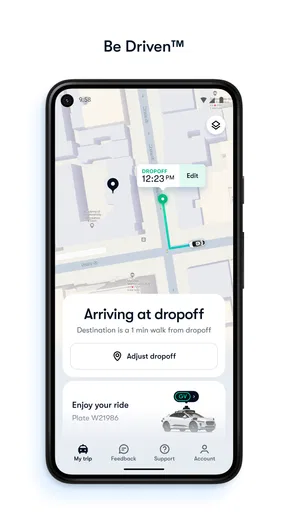
One of the major concerns with autonomous vehicles is safety. But trust me, Waymo has it covered. The app provides real-time updates, and you can track your ride’s progress at any time. Plus, the vehicles are equipped with sensors and cameras that ensure a safe journey. I felt completely at ease knowing that safety is a top priority.
Features That Stand Out
Waymo isn’t just about getting from point A to B; it’s packed with features that enhance the overall experience. You can share your trip details with family or friends, ensuring they’re informed about your location. The app also provides estimated arrival times that are impressively accurate. And if you’re someone who loves convenience, you’ll appreciate the cashless payment system.
Another cool aspect? You can control the climate inside the vehicle and even choose your preferred music, turning your ride into a personalized sanctuary.
Those comforts are most noticeable on an ordinary trip rather than a special occasion. If I’m heading across town and want to use the ride time to read or listen to something, being able to settle into the cabin matters more than the novelty of watching the vehicle arrive. Sharing trip details can also be reassuring when someone is waiting for me at the destination. I’d still send a quick message if plans change; a shared trip is useful context, not a replacement for communicating directly.
Climate and music controls add a personal touch, but I’d treat them as optional conveniences, not a reason to choose the service over a better-fitting route. On a short ride, I might leave the settings alone and get moving. On a longer one, adjusting the cabin to my preference would make the journey feel more comfortable. The practical lesson is to keep the first ride simple: confirm the trip, get settled, and explore the extras once I’m comfortable.
The same measured approach applies to arrival estimates. They are helpful for planning, but I would leave a buffer before a meeting instead of treating any estimate as a guarantee. That is especially sensible when a trip involves walking to the pickup location or coordinating with another person. The app can make a ride easier to follow, while good timing still depends on allowing room for the real-world parts around it.
Compared with the usual alternatives, the experience is less about choosing a route from several travel modes and more about deciding whether this particular ride suits the journey. A map app is better when I want to compare walking, driving, and transit directions. A human-driven car service may be preferable if I value direct interaction or familiarity. Waymo’s distinctive appeal is the autonomous ride and the in-vehicle experience described here; that makes it an interesting option, but not a universal replacement.
Who should skip it? I’d say anyone who needs a tool for general navigation, cannot use the service for their particular pickup and destination, or feels uneasy about riding without a human driver. It is also a poor choice as a last-minute experiment before an important appointment. Those riders may be better served by a familiar route planner, public transport, or a conventional ride service. Choosing a different tool is not missing out; it is matching the option to the need.
For someone who does want to try it, I’d make the first booking deliberately low-pressure: pick a known destination, check the pickup carefully, and leave enough time to learn the process. Afterward, consider whether the ride felt comfortable and whether the app made the trip easier than your usual choice. That personal test is more useful than deciding from the futuristic idea alone.
Final Thoughts: Is It Worth the Hype?
In a nutshell, if you’re looking to dip your toes into the world of autonomous vehicles, Waymo is definitely worth a try. It’s a seamless blend of innovation and practicality. Sure, it might take a little getting used to, but who doesn’t love a bit of adventure? Plus, the convenience and features make it a strong contender in the future of urban mobility. So, would I recommend it? Absolutely, give it a spin and see where the road takes you!
My recommendation comes with one practical condition: treat it as a transport option for a trip it can actually serve, not as a general-purpose travel app. If the route works, you are comfortable with an autonomous vehicle, and you have time to learn the pickup routine, I think trying it can be genuinely enjoyable. If you need broad directions, a human driver, or the most familiar choice for a pressing journey, use the alternative that fits those priorities better.
Pros
- User-friendly interface for easy navigation.
- Real-time traffic updates enhance route efficiency.
- Autonomous driving reduces human error.
- Eco-friendly with electric vehicle options.
- 24/7 availability for convenient travel.
Cons
- Limited coverage area restricts usage.
- High cost compared to traditional rides.
- Requires a high-speed internet connection.
- Occasional technical glitches reported.
- Privacy concerns with data collection.
FAQs for Waymo
What is Waymo and how does it work?
Waymo is an autonomous driving technology company offering self-driving taxi services. The app allows users to book rides in Waymo's driverless cars. It uses advanced sensors and AI to navigate roads safely without human intervention. Users simply enter their destination, and the vehicle takes them there autonomously.
Is Waymo available in my area?
Currently, Waymo services are limited to specific regions, primarily around Phoenix, Arizona. The company is gradually expanding its reach, so it's best to check the app or Waymo's website for the latest availability updates in your area. Expansion plans are ongoing, so stay informed.
How safe are Waymo's self-driving vehicles?
Waymo vehicles undergo rigorous testing and are equipped with state-of-the-art sensors and AI technology to ensure safety. They have logged millions of miles in various conditions. The company prioritizes safety with constant monitoring and regular updates to their systems to handle diverse driving situations effectively.
What are the costs associated with using Waymo?
Waymo's pricing is competitive with traditional ride-sharing services. Costs depend on the ride's distance and time, similar to other taxi services. Users can see an estimated fare before confirming their ride. Occasional promotions or discounts may be available to new or frequent users.
How do I get started with the Waymo app?
To start using Waymo, download the app from the Google Play Store or Apple App Store. Set up an account with your personal details and payment information. Once you're registered, you can book rides by entering your pickup and drop-off locations, then sit back and enjoy the autonomous experience.


